Santo em Destaque
São Boaventura · bispo e doutor da Igreja
Das Vidas dos Santos, de Butler
Das Vidas dos Santos, de Butler
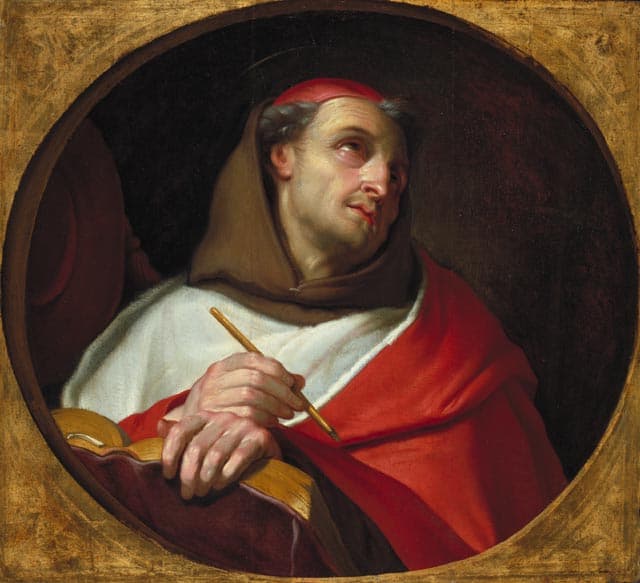
SANTIDADE e saber elevaram Boaventura às mais altas honras da Igreja, e desde criança foi companheiro de Santos. Contudo, no coração foi sempre o pobre frade franciscano, e praticou e ensinou a humildade e a mortificação. São Francisco lhe deu o nome; pois, tendo-o curado miraculosamente de uma doença mortal, exclamou profeticamente a respeito da criança: "O bona ventura!" — boa sorte. É conhecido também como o "Doutor Seráfico", pelo fervor do amor divino que respira em seus escritos.
Foi amigo de São Tomás de Aquino, que um dia lhe perguntou donde ele tirava tamanho saber. Respondeu apontando para o seu crucifixo. Em outra ocasião, São Tomás encontrou-o em êxtase enquanto escrevia a vida de São Francisco, e exclamou: "Deixemos um Santo escrever sobre um Santo." Receberam juntos o barrete doutoral. Foi hóspede e conselheiro de São Luís, e diretor de Santa Isabel, irmã do rei. Aos trinta e cinco anos foi nomeado geral da sua Ordem; e somente escapou de outra dignidade, o Arcebispado de Iorque, mediante lágrimas e súplicas.
Gregório X nomeou-o Cardeal Bispo de Albano. Quando o Santo soube da decisão do Papa de fazê-lo Cardeal, escapou silenciosamente da Itália. Mas Gregório enviou-lhe uma convocação para retornar a Roma. No caminho, parou para descansar num convento da sua Ordem perto de Florença; e ali dois mensageiros papais, enviados para encontrá-lo com o chapéu cardinalício, encontraram-no lavando a louça. O Santo pediu-lhes que pendurassem o chapéu num arbusto próximo e dessem um passeio no jardim até que ele terminasse o que estava a fazer.
Então, tomando o chapéu com sincera tristeza, juntou-se aos mensageiros e prestou-lhes o respeito devido ao seu caráter. Sentou-se à direita do Pontífice e falou primeiro no Concílio de Lyon. Sua piedade e eloquência conquistaram os gregos para a união católica, e então suas forças falharam. Morreu enquanto o Concílio estava reunido, e foi sepultado pelos bispos reunidos, A. D. 1274.
"O temor de Deus", diz São Boaventura, "proíbe o homem de dar o seu coração às coisas transitórias, que são as verdadeiras sementes do pecado."
Fonte biográfica: Lives of the Saints, Benziger Bros. ed. (1894, ed. John Gilmary Shea) · ver fonte · tradução automática, não revisada
Ver original em inglês
SANCTITY and learning raised Bonaventure to the Church's highest honors, and from a child he was the companion of Saints. Yet at heart he was ever the poor Franciscan friar, and practised and taught humility and mortification. St. Francis gave him his name; for, having miraculously cured him of a mortal sickness, he prophetically exclaimed of the child, "O bona ventura!"—good luck. He is known also as the "Seraphic Doctor," from the fervor of divine love which breathes in his writings.
He was the friend of St. Thomas Aquinas, who asked him one day whence he drew his great learning. He replied by pointing to his crucifix. At another time St. Thomas found him in ecstasy while writing the life of St. Francis, and exclaimed, "Let us leave a Saint to write of a Saint." They received the Doctor's cap together. He was the guest and adviser of St. Louis, and the director of St. Isabella, the king's sister.
At the age of thirty-five he was made general of his Order; and only escaped another dignity, the Archbishopric of York, by dint of tears and entreaties. Gregory X. appointed him Cardinal Bishop of Albano. When the Saint heard of the Pope's resolve to create him a Cardinal, he quietly made his escape from Italy. But Gregory sent him a summons to return to Rome. On his way, he stopped to rest himself at a convent of his Order near Florence; and there two Papal messengers, sent to meet him with the Cardinal's hat, found him washing the dishes.
The Saint desired them to hang the hat on a bush that was near, and take a walk in the garden until he had finished what he was about. Then taking up the hat with unfeigned sorrow, he joined the messengers, and paid them the respect due to their character. He sat at the Pontiff's right hand, and spoke first at the Council of Lyons. His piety and eloquence won over the Greeks to Catholic union, and then his strength failed. He died while the Council was sitting, and was buried by the assembled bishops, A. D. 1274.
"The fear of God," says St. Bonaventure, "forbids a man to give his heart to transitory things, which are the true seeds of sin."